
Designing an Art-First Living Room: Tips & Ideas
Discover how to create an art-first living room with our expert interior design tips. From selecting your anchor piece to building a rich color palette inspired by storm blue velvet and saffron silk, learn how to curate a space that reflects your unique style.
LIVING ROOM
6/14/20267 min read
This post contains affiliate links. If you make a purchase through these links, we may earn a small commission at no extra cost to you.
1. Choosing Your Statement Piece: Where to Start
The hardest part of art-first design is often the very first step—picking the piece that will anchor everything else. The good news? There's no wrong answer, as long as the piece genuinely moves you. Some of the most compelling living rooms are built around a single oversized painting that dominates an entire wall, creating an immediate sense of drama and scale the moment you walk in.
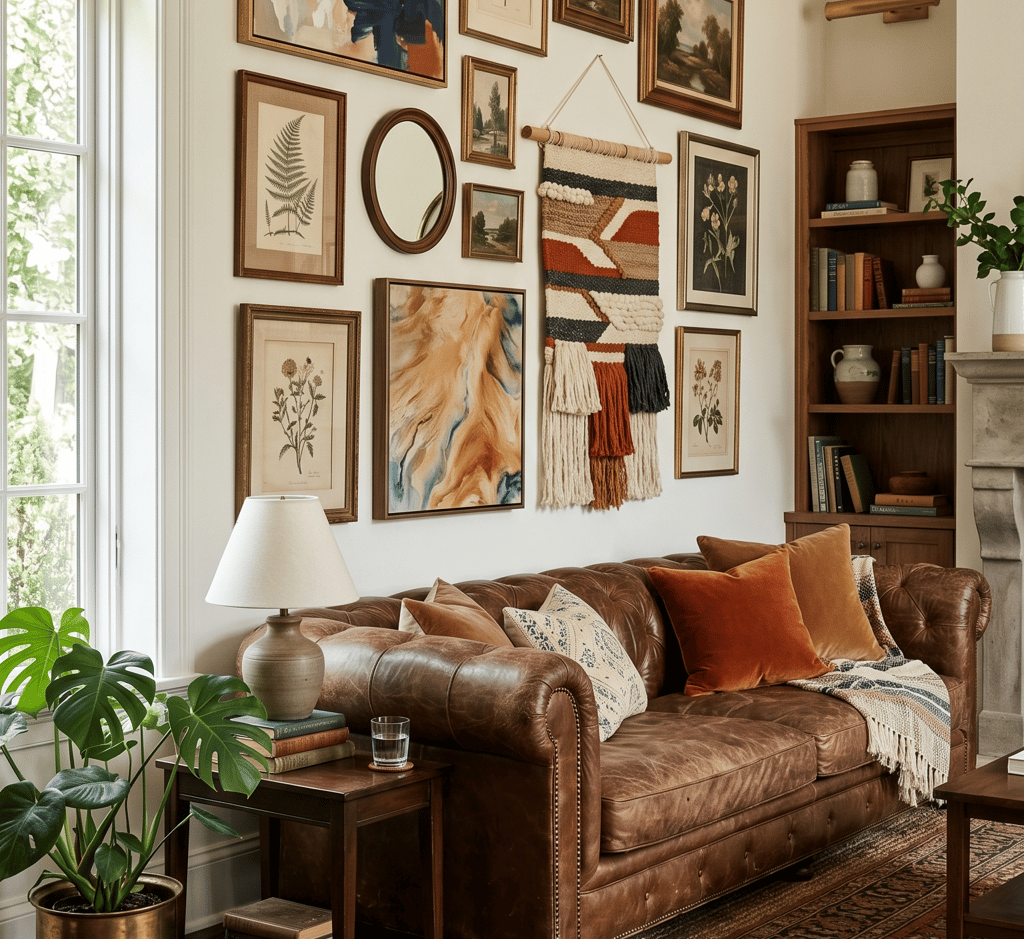
Other homeowners prefer a more eclectic approach, layering several smaller works—vintage prints, photography, line drawings—into a gallery wall that reads as one cohesive "statement" when viewed together. This works especially well in rooms with lower ceilings or awkward proportions, since a gallery wall can visually expand a space in ways a single giant canvas sometimes can't.
Don't overlook three-dimensional art either. A sculptural wall hanging, a woven textile piece, or even an architectural salvage element (think reclaimed window frames or carved wooden panels) can serve as your anchor just as effectively as a painting. These pieces add texture and depth that flat artwork simply can't replicate, and they tend to feel more "collected" than "purchased."
Whatever you choose, resist the urge to pick something that merely "matches" your current furniture. The goal is the opposite—find something with enough personality and color complexity that it gives you a whole new palette to play with.
Shop the Look:
2. Building a Palette: From Storm Blue Velvet to Plum Lacquer
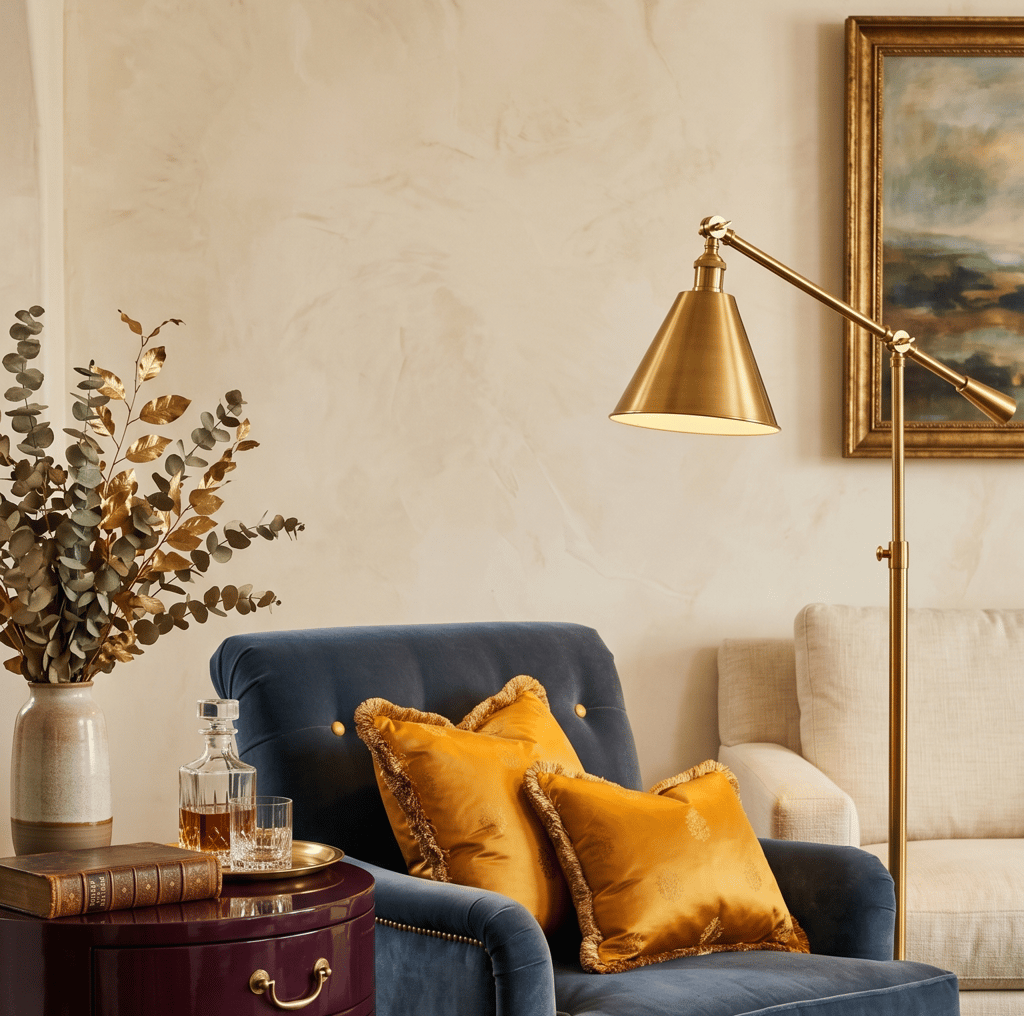
Once your art is chosen, the next step is extracting a palette from it—and this is where the magic really happens. Designers are currently gravitating toward jewel-toned, saturated colors as starting points: deep storm blue, rich plum lacquer, and warm saffron silk are all having a major moment. These aren't your typical "safe" neutrals, and that's precisely the point.
Storm blue is having a particular resurgence because of its versatility. It reads as moody and sophisticated in low light, but it can also feel fresh and airy when paired with cream or warm wood tones. Try pulling storm blue into your room through a velvet sofa, an accent chair, or even a painted accent wall that echoes a dominant hue in your artwork.
Plum lacquer, on the other hand, is best used in smaller doses—think a lacquered side table, a painted door, or a set of cabinet fronts. Lacquer finishes catch light beautifully and add a sense of polish and intentionality to a room that might otherwise feel too casual. Pair plum with brass or aged gold hardware for an extra layer of richness.
Saffron silk brings warmth and energy without tipping into "loud" territory. A few saffron throw pillows, a silk lampshade, or even a single upholstered ottoman can introduce this color in a way that feels intentional rather than accidental. The key with all three of these tones is restraint—pick one as your dominant color, one as a supporting tone, and use the third sparingly as an accent.
Shop the Look:
3. Letting Your Sofa (and Furniture) Take a Back Seat
Here's the mindset shift that makes art-first design actually work: your sofa is no longer the star—it's the supporting cast. That doesn't mean your furniture should be boring, but it does mean choosing pieces that complement your artwork's palette rather than competing with it for attention.
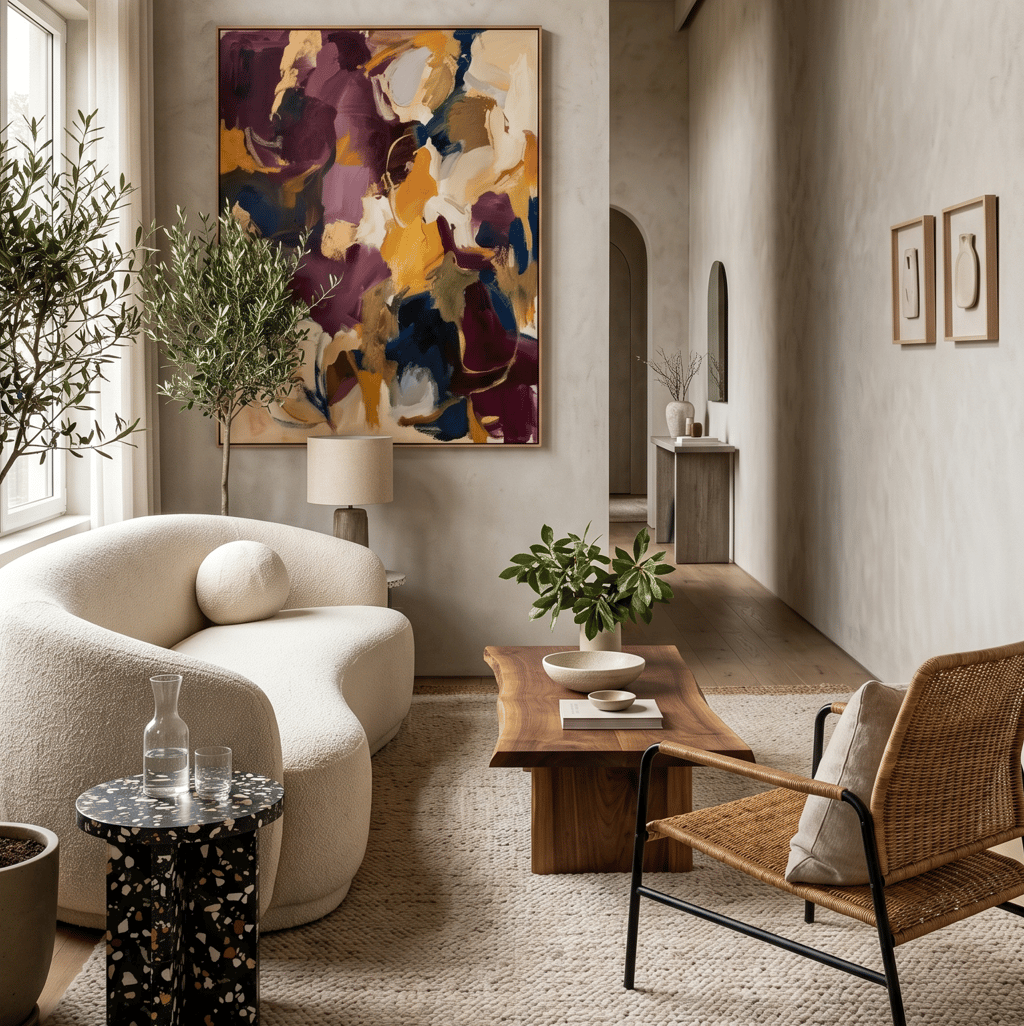
A neutral linen or boucle sofa in cream, oatmeal, or warm gray gives your statement art room to breathe while still feeling cozy and lived-in. If your art features bold jewel tones, a neutral sofa acts as a visual "rest stop" for the eye, preventing the room from feeling overstimulating. Think of it like a gallery wall—the walls are neutral so the art can shine.
That said, "neutral" doesn't have to mean "plain." Textural interest is everything here. A bouclé sofa with a slubbed linen texture, a leather chair with natural patina, or a rattan accent chair all add depth without adding competing color. These textures also tie beautifully into the natural materials—walnut, terrazzo, limewash—that define a warm, layered interior.
When it comes to layout, consider an asymmetrical arrangement that draws the eye toward your art rather than a rigid, symmetrical setup centered on the TV. Angle your sofa slightly, add a single accent chair off to the side, and leave some negative space on the wall opposite your statement piece. This asymmetry feels more "designed" and less "furniture showroom."
Shop the Look:
5. Layering Textiles and Accessories Around Your Art's Story
The final layer of an art-first living room is the supporting cast of textiles and accessories that echo your statement piece's color story without copying it outright. This is where the room goes from "nice" to "unforgettable"—and it's also the most fun, flexible, and budget-friendly part of the process.
Start with your rug. A vintage-style or vintage-inspired rug in tones that pull from your art—say, a faded plum-and-cream Persian-style rug if your painting features plum lacquer—grounds the room and ties the color story to the floor. Layering a smaller flatweave rug on top of a larger jute or sisal rug adds texture and visual interest underfoot.
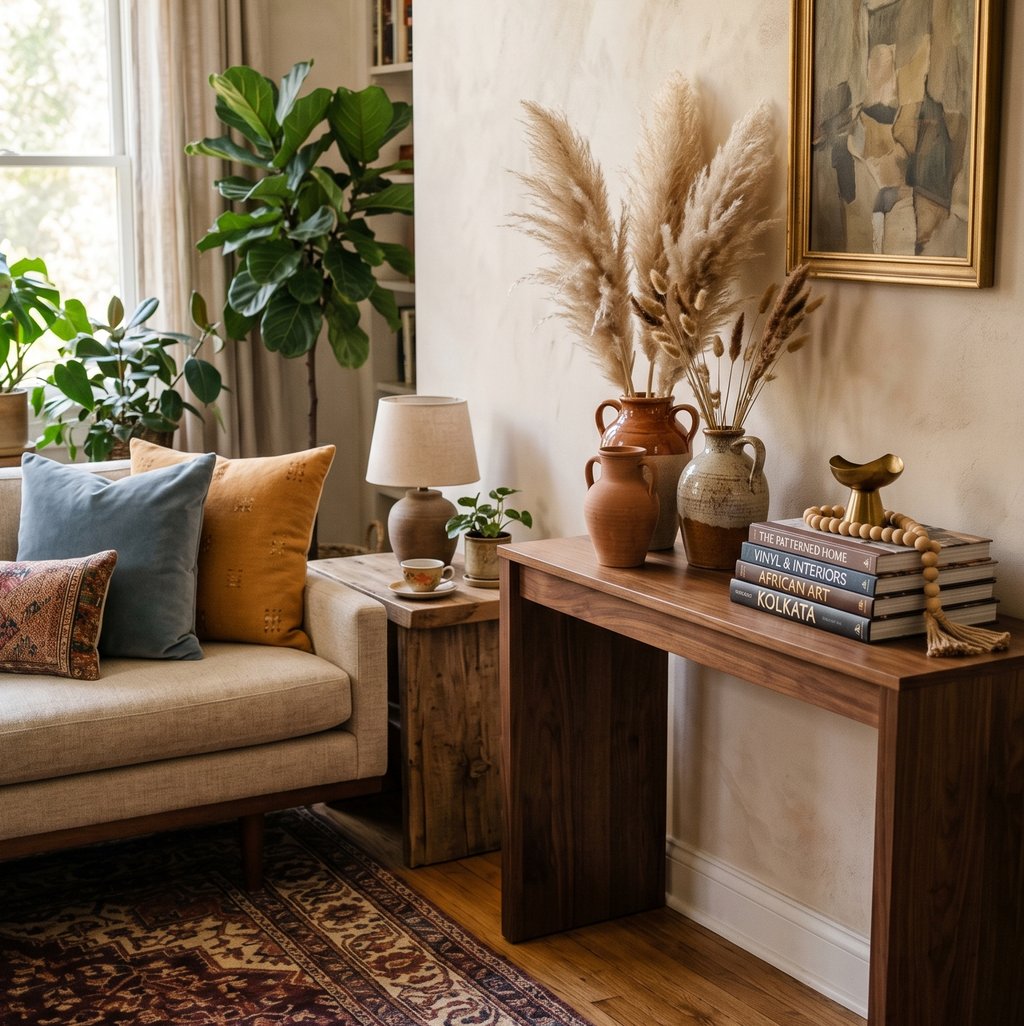
Throw pillows and blankets are your easiest, lowest-commitment way to experiment with color. Mix textures—velvet, linen, boucle, and silk—in tones that echo your art's palette. A good rule of thumb is to pick three colors total: one dominant, one secondary, and one accent, repeated across pillows, throws, and smaller decor objects like vases or books.
Finally, don't underestimate the power of "in-between" objects: a stack of art books in complementary cover colors, a ceramic vase with dried pampas grass or branches, or a small sculptural object on your coffee table. These items create visual rhythm, leading the eye from your statement art piece down through the room and back up again—exactly the kind of layered, collected look that makes art-first design feel so rich and personal.
Shop the Look:
Final Thoughts: Letting Art Lead the Way
Designing a living room around a statement art piece rather than a sofa is, at its core, an invitation to slow down and design more intentionally. Instead of defaulting to "what goes together," you're asking "what tells my story?"—and that small shift changes everything about how a space feels to live in.
The beauty of this approach is that it's endlessly adaptable. Your art piece can evolve over time, and as it does, so can your palette, your textiles, and your accessories. A room built this way never feels finished in a sterile sense—it feels like it's always growing, layering, and becoming more you.
So whether you're starting with a thrifted painting that caught your eye, a custom commission from a local artist, or a textile piece passed down through your family, trust that piece to lead. Build your storm blue, plum lacquer, and saffron silk palette around it, let your furniture take a supporting role, layer your lighting and textiles thoughtfully—and watch your living room transform into a space that feels like a personal gallery worth lingering in.
For years, the living room formula was simple: pick the sofa, then build everything else around it. But the design world is flipping that script for 2026. Instead of starting with furniture, the new approach starts with art—a bold painting, a sculptural object, a textile wall hanging—and lets that piece dictate the palette, materials, and mood of the entire room.
This shift isn't just aesthetic snobbery. It's a response to a collective craving for rooms that feel personal, layered, and emotionally resonant rather than showroom-perfect. When your art comes first, your space stops looking like everyone else's Pinterest board and starts looking like yours.
Below, we're breaking down exactly how to design an art-first living room—from choosing your anchor piece to building out a palette inspired by rich tones like storm blue velvet, plum lacquer, and saffron silk. Whether you're working with a gallery-worthy oil painting or a thrifted tapestry that speaks to your soul, these tips will help you create a space that feels curated, not coordinated.
4. Lighting That Makes Your Art (and Room) Glow
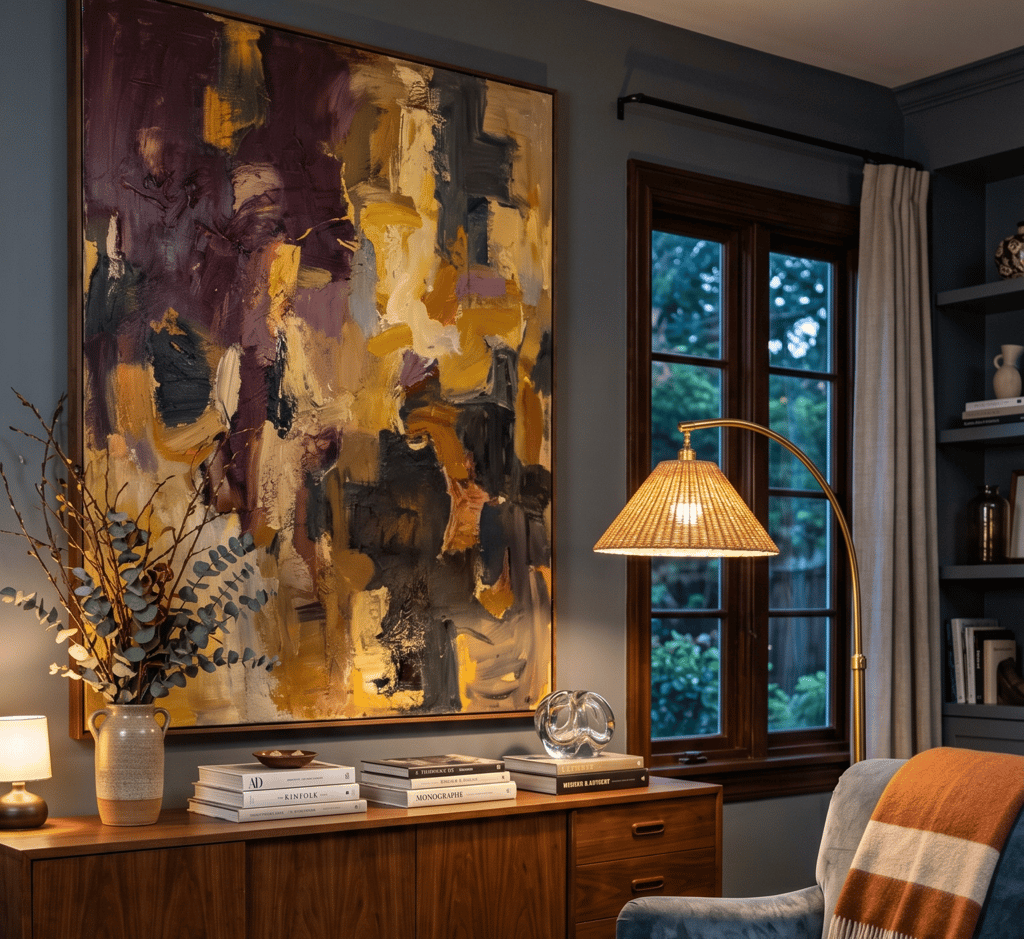
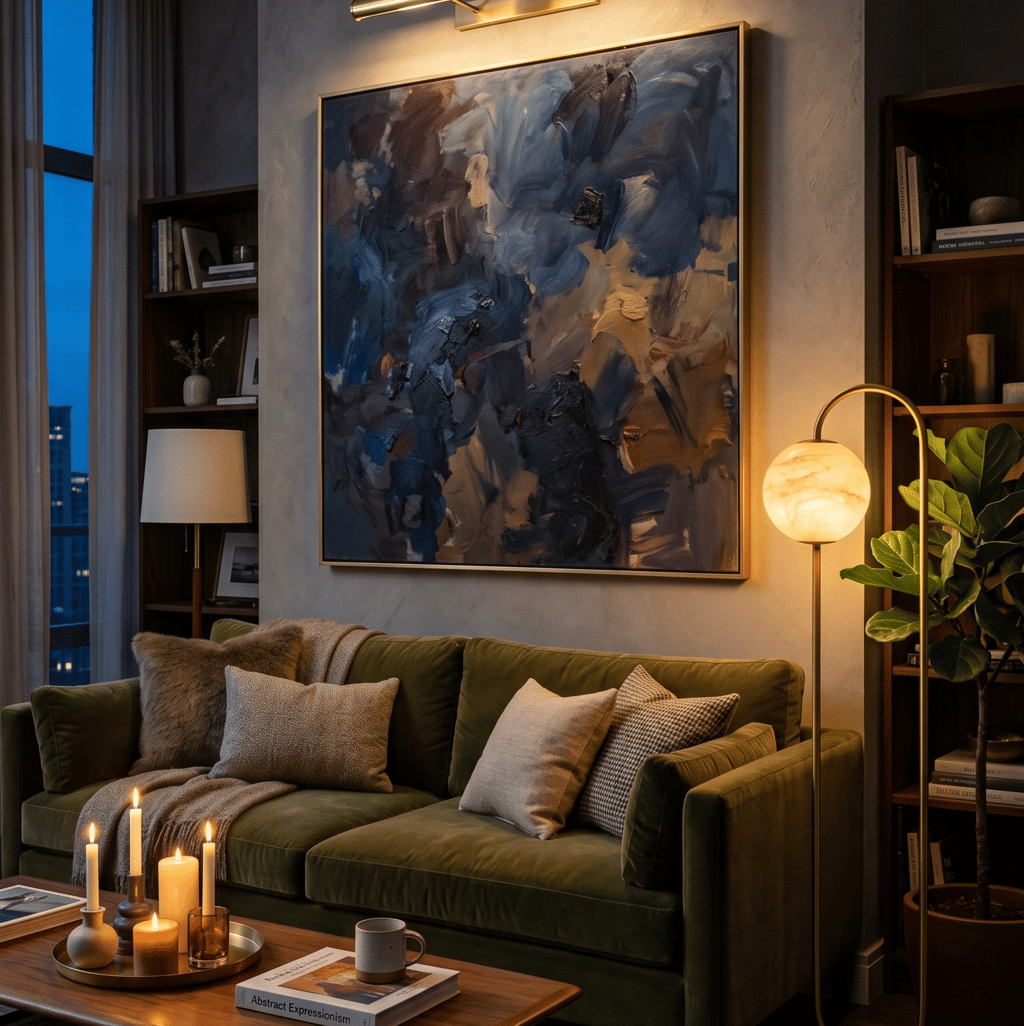
Even the most stunning statement piece will fall flat under the wrong lighting. Art-first rooms require a layered lighting approach—ambient, task, and accent lighting working together to create depth and drama, especially in the evening when warm tones really come alive.
Picture lights are an easy, often-overlooked addition that can transform how your art reads in the room. A simple brass picture light mounted above a painting creates a warm pool of light that draws the eye and adds a museum-like sense of intentionality. For gallery walls, consider a track lighting system with adjustable heads so you can highlight multiple pieces at different angles.
Beyond direct art lighting, think about the overall warmth of your bulbs and fixtures. Warm white bulbs (around 2700K-3000K) enhance rich jewel tones like plum and saffron, making them feel cozy rather than harsh. A statement floor lamp with a fabric or alabaster shade can cast a soft glow that complements your palette while doubling as its own decorative element.
Don't forget candlelight and low-level accent lighting either—a cluster of pillar candles on your coffee table, or a small table lamp on a side table, adds flickering warmth that makes the whole room feel inviting after dark. The goal is to avoid a single, harsh overhead light that flattens your carefully chosen colors and textures.
Shop the Look:
Follow Us
Contact
© 2025. All rights reserved.
2 Fat Cats Home Decor brings stylish, cozy inspiration from living rooms to bedrooms and beyond — helping you create a warm, inviting home you'll never want to leave.