
How to Choose the Right Area Rug Size for Every Room
Struggling with rug sizing? Learn the exact area rug size for every room — living room, bedroom, dining room, and more — with product picks. This guide will help with figuring out what size rug for living room, bedroom rug size guide, dining room rug sizing, rug layering tips, and rug pad sizing
FURNITURE & DECOR GUIDES
6/27/20268 min read
Final Thoughts
Getting area rug sizing right comes down to one thing: committing to the right scale for each room instead of defaulting to whatever feels "safe." Small rugs are almost always the wrong move. When in doubt, size up — your room will thank you.
Start with the room that bothers you most. Tape out the dimensions on your floor, sit with it for a day, then order with confidence. One well-sized rug can anchor an entire room without any other changes. That's a genuinely good return on a single decision.
Introduction
If you've ever stood in the middle of a room and thought, something feels off — there's a good chance the area rug is the culprit. A rug that's too small makes your furniture float like islands. Too large, and the whole room feels shrunk. Getting the right area rug size is one of those foundational design decisions that quietly determines whether a space feels intentional or accidental. I've made both mistakes. The too-small rug I bought for my first apartment living room haunts me still.
The good news: rug sizing follows a set of consistent rules, and once you know them, you'll never second-guess yourself at checkout again. Whether you're working with a sprawling open-plan layout, a cozy bedroom, or a narrow entryway, this guide walks through the right sizing approach — and the right products — for every room in your home.
Living room rug sizes that actually work
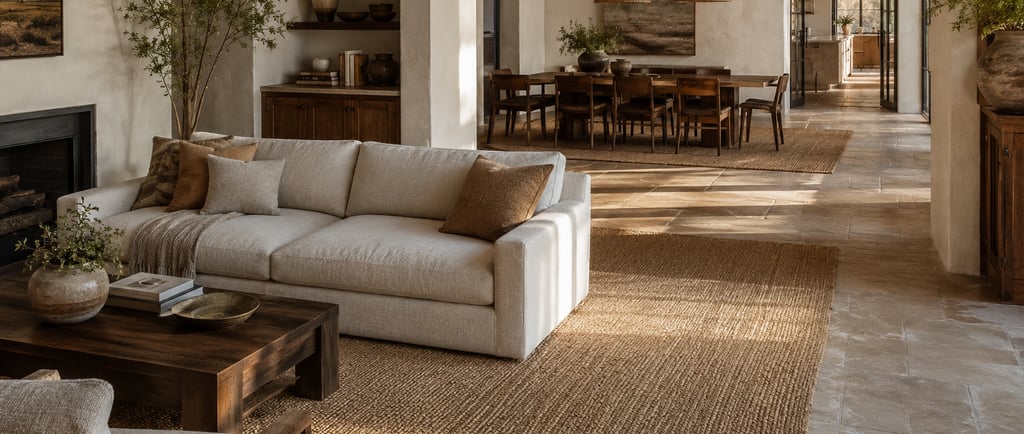
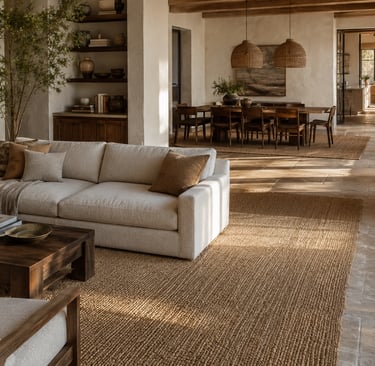
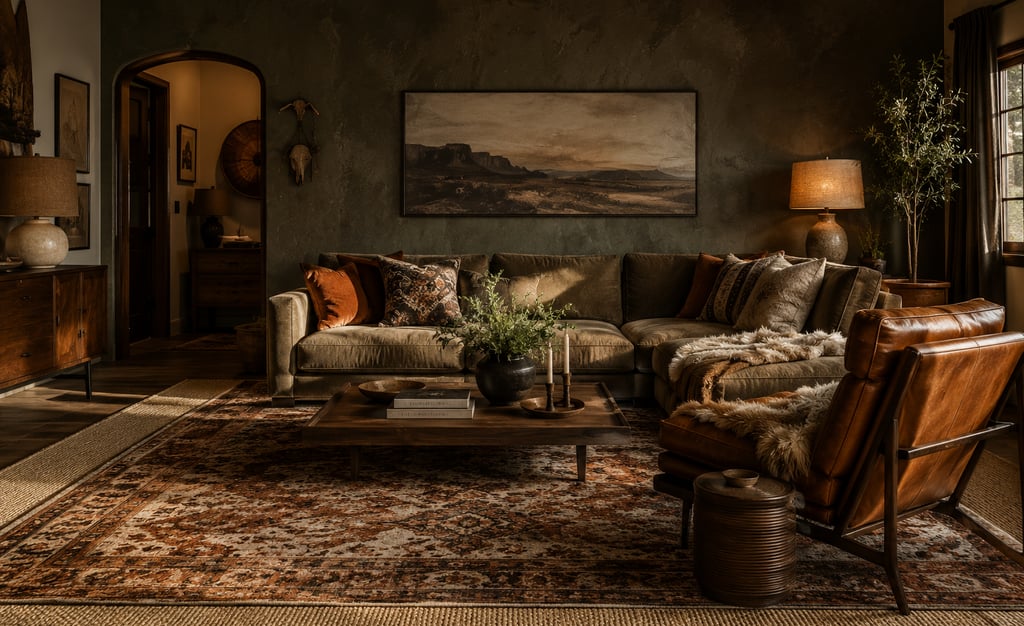
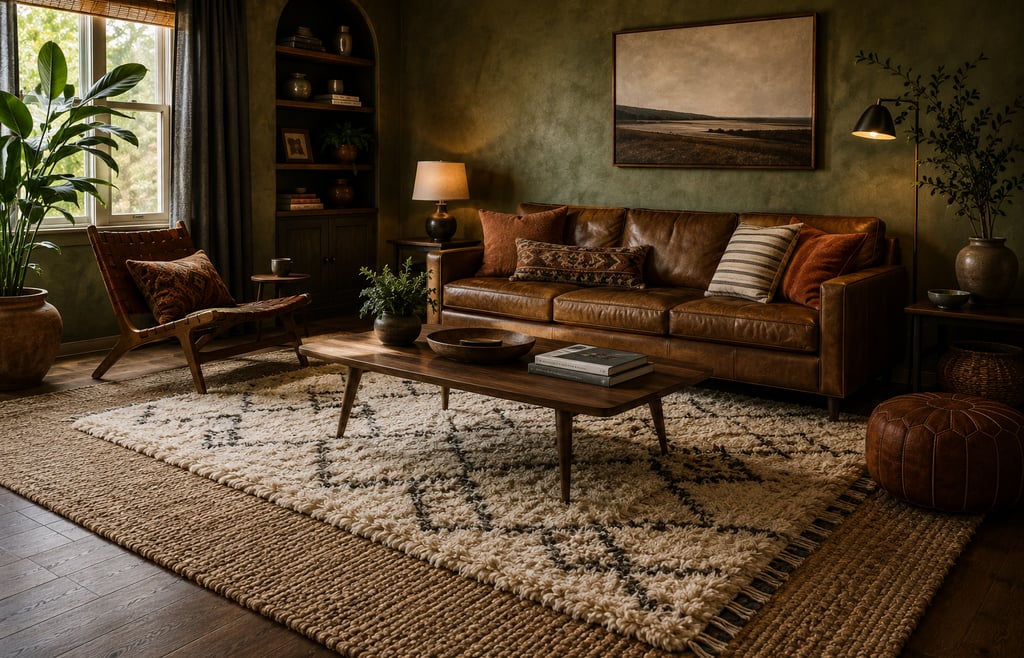
The living room is where most people go wrong, and it usually comes down to one mistake: buying a rug that only fits under the coffee table. The standard rule is that the front legs of all your major seating should land on the rug — not float beside it. This visually anchors the conversation area and makes the room feel like one unified zone rather than furniture scattered across a floor.
For a typical sofa-plus-two-chairs arrangement, an 8x10 is the sweet spot. In larger rooms or open-plan spaces, you'll often need a 9x12 or even bigger. If you're in a smaller apartment and working with a loveseat or sectional, a 6x9 can work — but only if you commit to that front-legs-on rule.
Before you buy, use painter's tape to mark the rug dimensions on your floor. I know it sounds tedious, but it's saved me from two very expensive returns. This Loloi II distressed area rug in a 9x12 is exactly the scale a larger living room needs, with enough visual weight to hold the space. For a more budget-conscious option, the Vintage washable rug in 8x10 is a practical pick — especially if you have pets or kids.
Tip: If your sofa is against a wall, make sure the rug extends at least 18–24 inches on either side of the sofa. If it doesn't, size up.
Dining room rug sizing: how to get it right every time
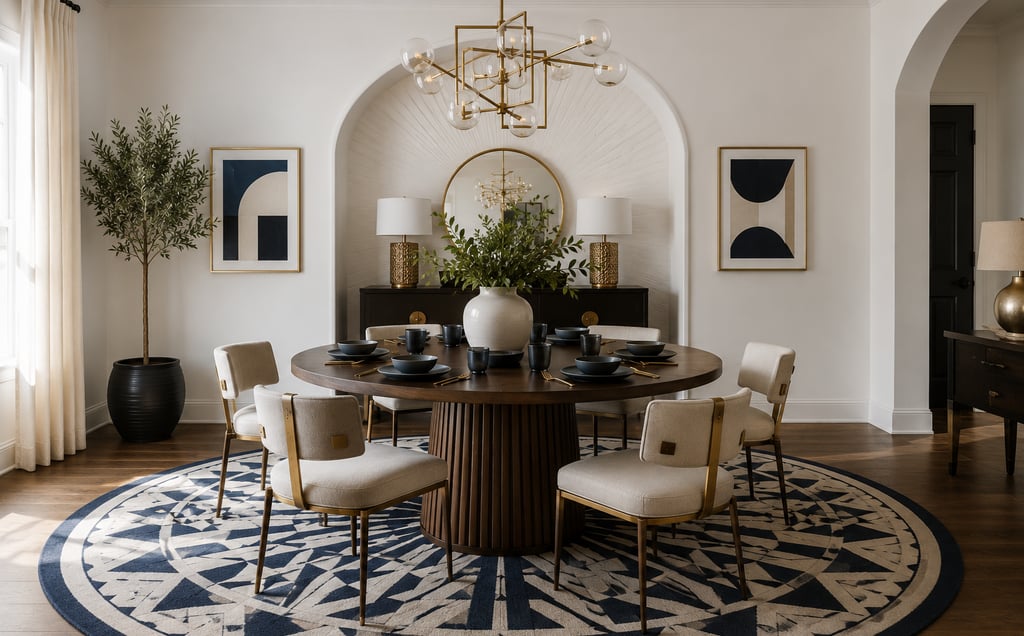
The rule for dining rooms is simple and non-negotiable: every chair leg should stay on the rug even when the chair is pulled out from the table. If a guest pulls their chair back and it catches the rug edge, you've sized too small. That typically means adding at least 24 inches to each side of your table.
4-seater table (36x48"): Go with at least a 6x9
6-seater table (36x72"): A 8x10 is the minimum
8-seater table (42x84"): You'll need a 9x12 or larger
Round tables pair beautifully with round rugs — keep the same 24-inch rule and you're set. A natural fiber rug like this nuLOOM Rigo jute rug is a classic under-dining-table choice that hides crumbs well and gives texture without competing with the furniture. For something more graphic, a flat-weave like the Safavieh Kilim-style flat weave rug cleans easily and won't catch chair legs.
Bedroom rug sizing: three layouts that work
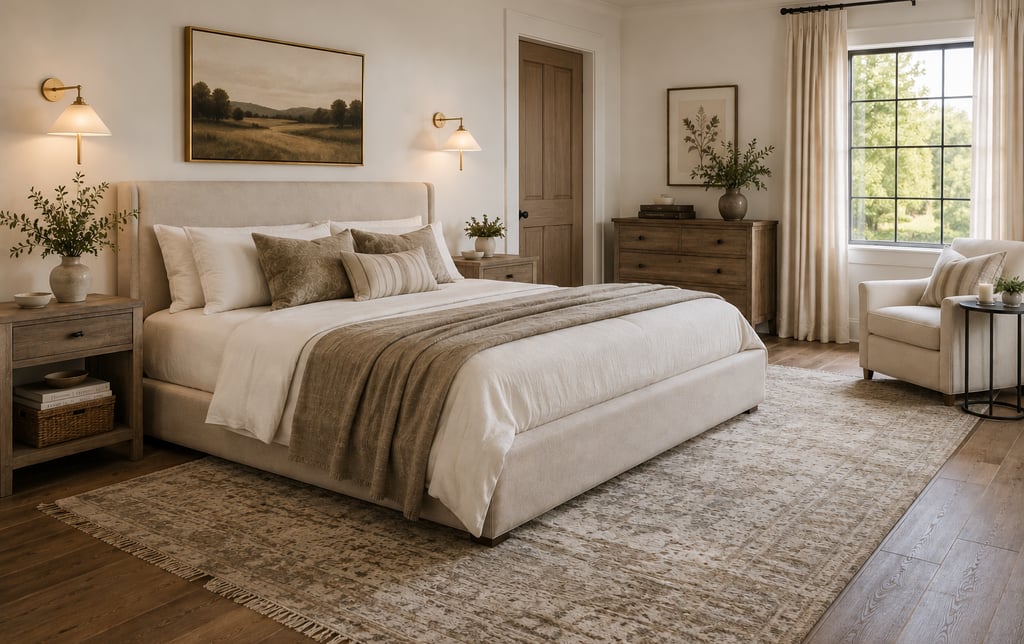
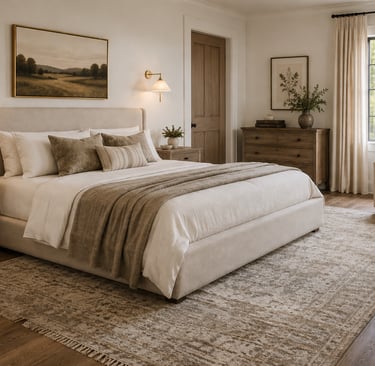
Bedrooms are forgiving if you follow one of three proven approaches. The most common — and visually safest — is to place a large rug mostly under the bed, so that 18–24 inches of rug extend out from each side and the foot. That's the first thing your feet touch in the morning, which honestly makes a bigger quality-of-life difference than you'd expect.
Three layouts that work:
Large rug under the full bed (most common): For a king bed, use a 9x12. For a queen, an 8x10 works well. Go with a 6x9 for a full.
Runner on each side: Two matching runners flanking the bed — a great option if you want to save money or have an unusual room shape.
Rug at the foot of the bed only: A smaller rug (4x6 or 5x7) positioned just at the foot for texture and warmth without the full investment.
This bohemian area rug in a 5x7 works perfectly for the foot-of-bed placement in a boho bedroom. For the full under-bed layout, the nuLOOM Moroccan tassel rug in 8x10 gives you pattern and softness without overwhelming a smaller room.
Entryway and hallway rug sizing on a budget vs. a splurge
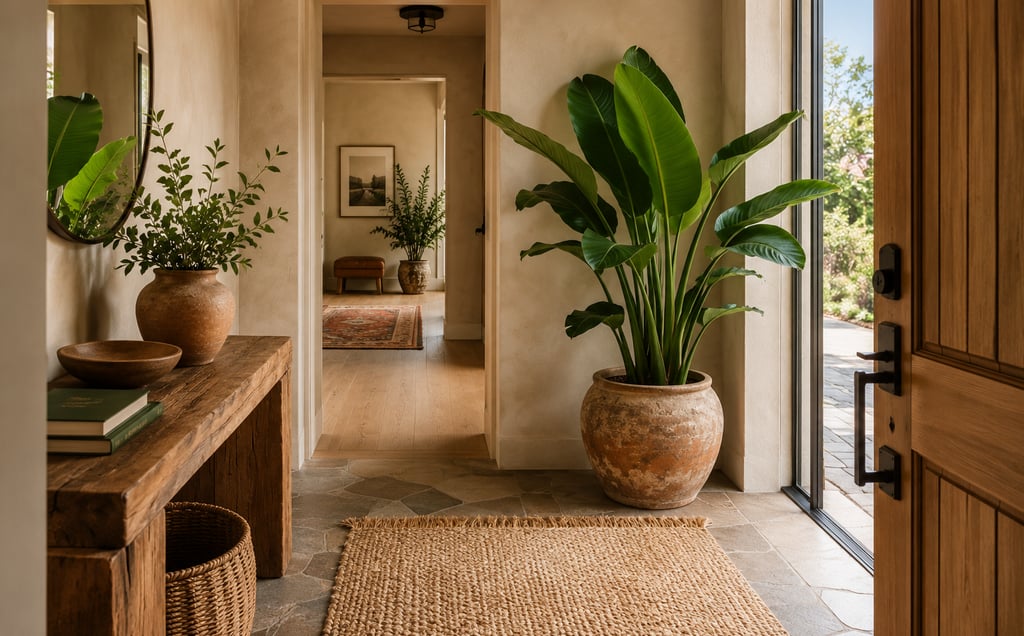
Entryways are small but mighty — the right rug instantly signals the style of the rest of your home. The main sizing goal here is functional coverage: enough to catch dirt and moisture at the door, without blocking it from opening.
Standard entryway sizes:
Small entry (up to 4 feet wide): 2x3 or 2x4 mat or accent rug
Medium hallway or foyer (4–6 feet wide): 3x5 or runner (2.5x8 or 2.5x10)
Grand entryway (6+ feet): 5x8 centered in the space
Budget pick: The Safavieh Moroccan shag accent rug in 2x4 — around $35, cheerful, washable-friendly, and comes in great colors. It's what I'd put in a rental where I don't want to overthink it.
Splurge pick: The Loloi Amber Lewis wool rug in a 3x5 — around $145. The quality is immediately visible, the pile is dense, and it sets a tone the second someone walks in.
For hallways, a runner at least 2/3 the width of the hall looks intentional — any narrower and it looks forgotten.
Home office rug sizing for small and awkward spaces
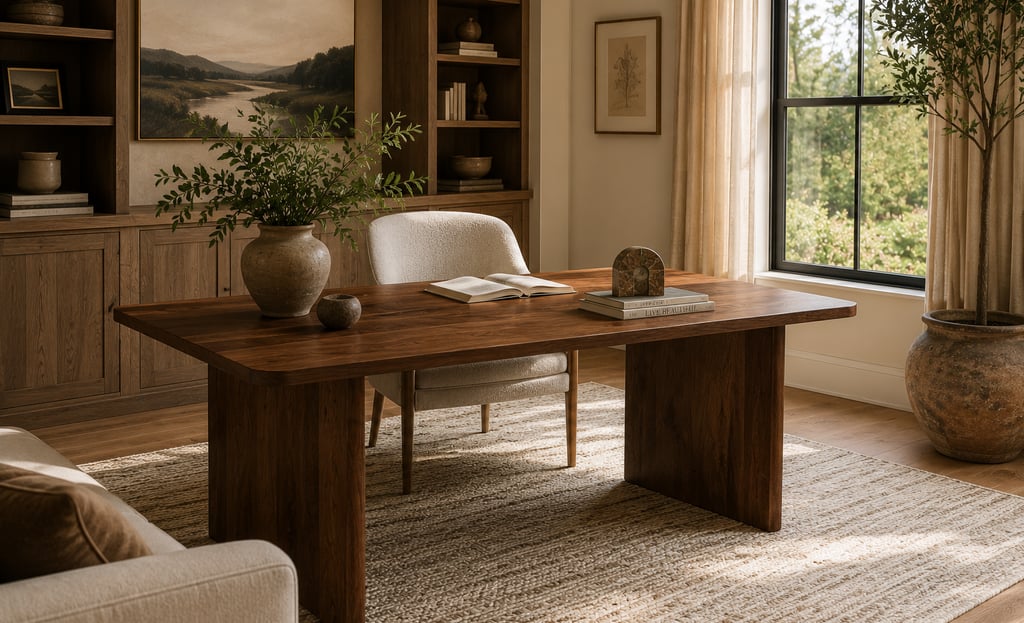
A home office rug is often an afterthought, but it's one of the easiest ways to create visual separation in a shared or open space. The goal is to define the work zone, not carpet the whole room.
For a dedicated office, treat it like a living room: front legs of the desk chair and any guest chairs on the rug. A 5x7 or 6x9 usually does the job. For a corner desk setup, a 4x6 placed so the chair rolls comfortably on the rug is enough.
One underrated consideration: your chair wheels. A low-pile or flatweave rug rolls much better than a high-pile shag. This Unique Loom striped cotton flatweave rug is a great desk chair-friendly pick that still brings personality. If your chair mat is an eyesore but you love a thick rug, try placing a clear polycarbonate chair mat on top — you keep the rug, save the pile.
Layering rugs: when and how to do it right
Rug layering has moved from Pinterest trend to fully accepted design strategy — and it's genuinely useful when you want texture variety or need to extend the visual footprint of a smaller rug. The most common approach: a large natural fiber base (jute or sisal) topped with a smaller patterned or higher-pile accent rug.
Rules for layering that doesn't look accidental:
The base rug should be at least 2 feet larger on every side than the top rug
Keep textures complementary — flat + shaggy works, two high-pile rugs don't
Anchor the layered pair with furniture; floating layers look sloppy
A rug pad under both layers keeps everything from shifting
This Fab Habitat reversible flatweave jute rug in 8x10 is an ideal layering base — low enough profile that a top rug lies flat, and neutral enough to pair with anything. Top it with a Safaviah Moroccan style shag in 4x6 for that layered boho moment that photographs beautifully and actually holds up to daily life.
Tip: Use a double-sided rug tape between layers to prevent the top rug from curling. The Gorilla Grip rug gripper pads work well under the base layer.
Don't forget the rug pad: sizing and why it matters
A rug pad is non-negotiable — not just for safety, but because it extends the life of your rug and makes even a budget rug feel more substantial underfoot. The rule for sizing is straightforward: cut your pad 1 inch smaller than your rug on all sides. This hides the pad visually and prevents edge bunching.
For hardwood and tile floors, you want a non-slip rubber-backed pad — the grip prevents the rug from migrating across the room. For carpet, use a felt pad instead, which provides cushion without the rubber-on-carpet static that can damage fibers over time.
The RUGPADUSA Origins non-slip pad comes in custom cut-to-order sizes and is one of the best-reviewed pads for hardwood. For a felt-and-rubber combo that works on both surfaces, the Mohawk Home dual surface rug pad is a reliable mid-price option that performs well in high-traffic areas.
Frequently Asked Questions
What size rug do I need for a living room with a sectional sofa?
For an L-shaped sectional, you'll typically need at least a 9x12 — the goal is for both sections of the sofa to have their front legs on the rug. In very large open-plan spaces, a 10x14 may be necessary. When in doubt, size up: a rug that's slightly too large is almost always better than one that's too small. Use painter's tape on the floor to test dimensions before ordering.
Can an area rug be too big for a room?
Yes, though it's rare. If the rug covers more than 80% of the total floor area, it stops reading as a rug and starts reading as wall-to-wall carpet — which loses the layered-floor effect. Ideally you want at least 18–24 inches of bare floor visible around the perimeter of the rug on all sides.
What size rug goes under a king bed?
A 9x12 is the standard recommendation for a king bed. This gives you roughly 18–24 inches of rug visible on the sides and foot of the bed when the rug is centered. If your bedroom is smaller and a 9x12 feels overwhelming, two runners (one on each side of the bed) are a great alternative — this NuLOOM bordered jute runner is a popular pick for that layout.
How do I keep an area rug from sliding on hardwood?
A quality non-slip rug pad is the most reliable solution. Double-sided rug tape works for smaller rugs or stubborn corners but tends to leave residue over time. For a large rug in a high-traffic area, a full pad like the RUGPADUSA Origins grips firmly without damaging hardwood finishes.
Is it okay to put a rug over carpet?
Yes — layering a rug over carpet is a great way to add texture and define zones in an open space, especially in rentals where you can't change the flooring. Use a felt rug pad (not rubber) between the layers to prevent both rugs from shifting, and choose a low-profile top rug so edges don't curl.
This post contains affiliate links. If you purchase through my links I may earn a small commission at no extra cost to you
Follow Us
Contact
© 2025. All rights reserved.
2 Fat Cats Home Decor brings stylish, cozy inspiration from living rooms to bedrooms and beyond — helping you create a warm, inviting home you'll never want to leave.