
How to Set Up a Stylish Home Office in a Small Apartment Corner
Transform any unused corner into a productive, stylish workspace. Small apartment home office ideas with real desk picks and storage solutions. Small desk ideas.
HOME OFFICE
6/13/202610 min read
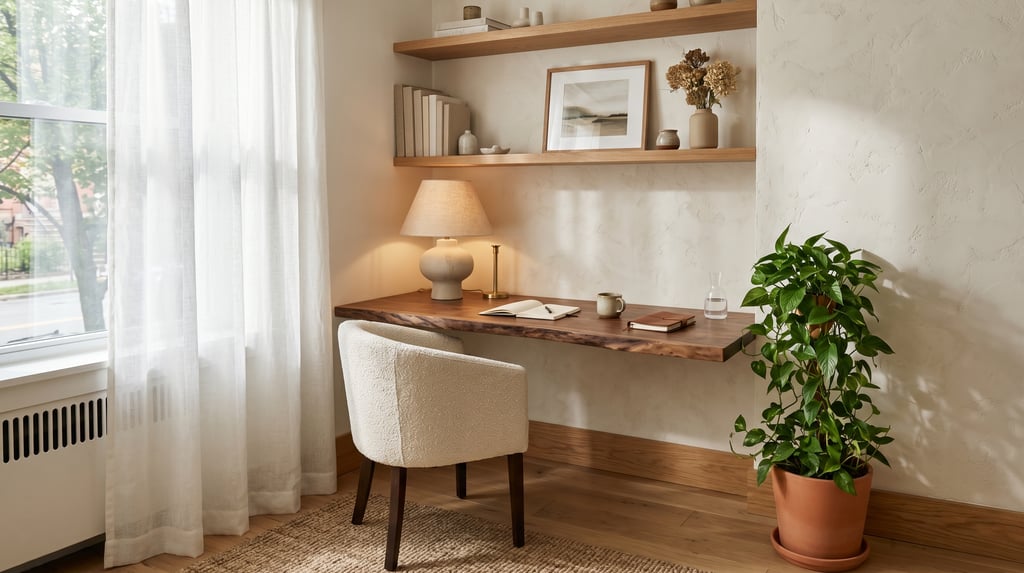
Final Thoughts
A small apartment doesn't have to mean a chaotic, improvised workspace. With the right corner, a desk that fits the space (not just the Pinterest board), and vertical storage doing the heavy lifting, you can build a home office that's genuinely pleasant to spend time in — and one that actually looks like it belongs there.
Start with just one change: find your best corner, measure it, and pick a desk that fits. Everything else builds naturally from that anchor. You don't need to do it all at once, and you definitely don't need a bigger apartment.
For more small-space inspiration, check out our guide on how to arrange Furniture for a small living room.
Introduction
If you're working from a corner of your living room — laptop balanced on a coffee table, charger snaking across the floor, zero sense of separation between "work" and "everything else" — you already know the problem. A home office doesn't have to mean a dedicated room, but it does need to feel like a place. Something intentional. Something that actually works.
Setting up a stylish small apartment home office corner is less about square footage and more about making deliberate choices: the right desk for the space, smart vertical storage, lighting that doesn't make your 3pm video call look like a hostage situation. Even a 4-foot-wide nook, done well, can feel like a real workspace — one you actually want to sit down at.
In the sections ahead, you'll find everything you need to pull it off: how to pick the right corner, which desk types work best in tight spaces, how to build upward with vertical storage, and the small styling details that make the difference between a corner that looks like an afterthought and one that looks like it was always meant to be there.
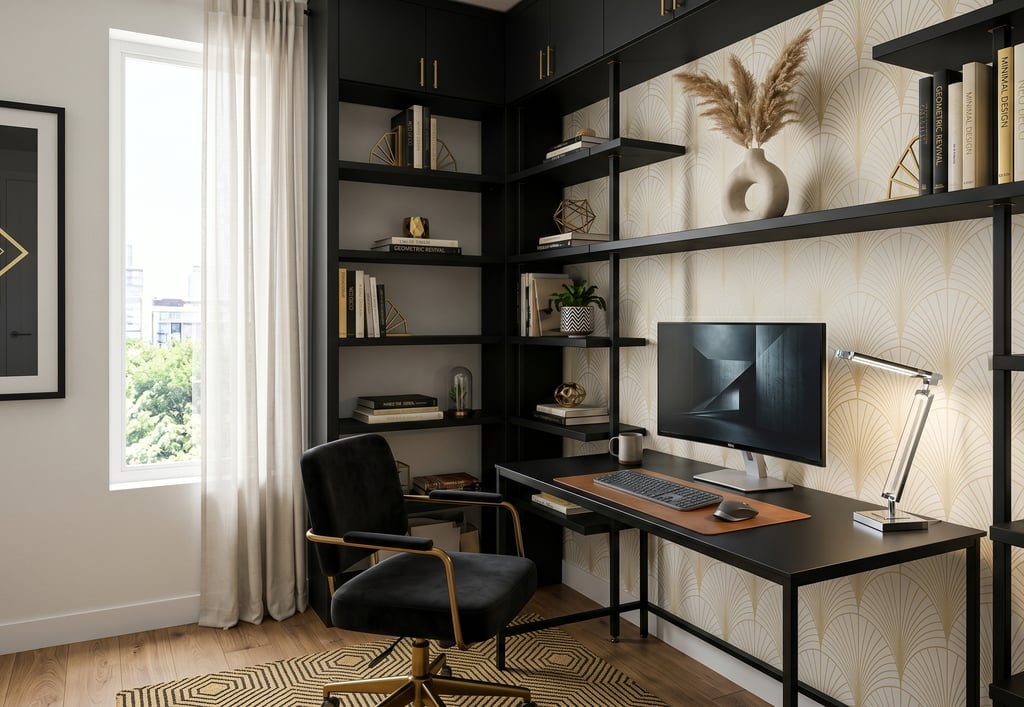
Choosing the right corner for your small apartment home office
Before you buy a single thing, spend five minutes walking your apartment and asking: where is the light? Natural light near your face on a video call is non-negotiable, and it also makes the space feel less like a closet and more like an actual office. A north- or east-facing window is ideal — bright without the afternoon glare that makes your screen unreadable.
If windows aren't an option, look for corners near existing overhead lights or sconces. Dead corners — the ones behind doors, beside bookshelves, or at the end of a hallway — are often the most underused square footage in a small apartment. I've seen a genuinely functional and beautiful desk setup tucked into a 4-foot-wide nook beside a kitchen doorway, and no one would ever guess it was an afterthought.
Once you've picked your spot, measure it carefully. Note the ceiling height (important for shelving), how much floor space you can commit, and whether there are outlets nearby. A two-outlet corner with no USB ports is something a simple surge protector fixes in seconds, but it's worth knowing upfront.
One thing that often gets overlooked: traffic flow. Make sure your chair can pull out fully without hitting a sofa, bookshelf, or door. Even a 12-inch clearance issue will make the space frustrating to actually use.
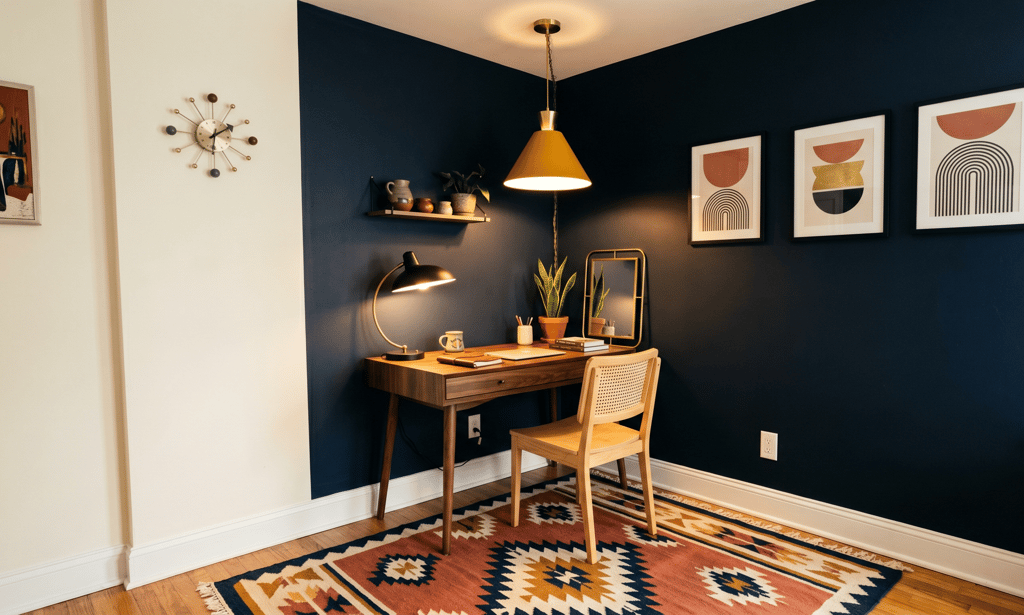
Small corner desk ideas that don't eat your square footage
The desk is the anchor of any home office corner, and in a small apartment, it has to earn every inch. Skip anything wider than 48 inches unless your corner can genuinely support it — an oversized desk in a tight space feels oppressive rather than productive.
For tight corners, three desk types actually work:
L-shaped corner desks (under 50" per side): These maximize surface area without pushing into the room. Look for compact versions from brands like Tribesigns or Bush Furniture.
Wall-mounted floating desks: Mount at standing height for a standing/perching setup, or at standard 30" for seated work. A floating wall desk with a fold-down surface is the best option in truly tiny apartments — it folds completely flat when not in use.
Narrow writing desks (18–24" deep): Pairs perfectly with a pegboard or shelving wall directly above. The Nathan James Parker writing desk in walnut finish is a great example — slim enough to not crowd a corner but solid enough to feel like furniture, not furniture-adjacent.
If you're working with a true corner (two walls meeting at a right angle), an L-shaped configuration beats a single straight desk every time. You get a monitor zone on one side and a writing/secondary workspace on the other — without any wasted space.
Vertical storage solutions for home office corners
When floor space is limited, the only direction left is up. Vertical storage is the single biggest lever you can pull in a small apartment home office — and it's also one of the most visually interesting design moves when done well.
Open shelving directly above your desk gives you easy access to frequently used items (notebooks, chargers, reference books) without requiring you to reach into a drawer or cross the room. The Amada floating shelf set works beautifully in modern and contemporary spaces — the angular brass brackets read as a design detail, not just functional hardware.
For a more structured look, a narrow tall bookcase positioned beside (not above) the desk adds significant storage without overwhelming the corner. IKEA's Kallax and Billy units both come in versions narrow enough to slot beside a desk, and their interiors can be customized with fabric drawers to hide the inevitable office clutter.
Pro tip: Style the top two shelves visually (plants, art objects, a framed photo) and keep the lower, eye-level shelves functional. It makes the whole setup look intentional rather than utilitarian.
A pegboard wall panel — like the IKEA Skådis or a more design-forward option in wood or painted MDF — lets you customize your storage configuration and move things around as your workflow changes. Add hooks, small shelves, and a cup holder for pens, and you've effectively removed the need for a desktop organizer altogether.
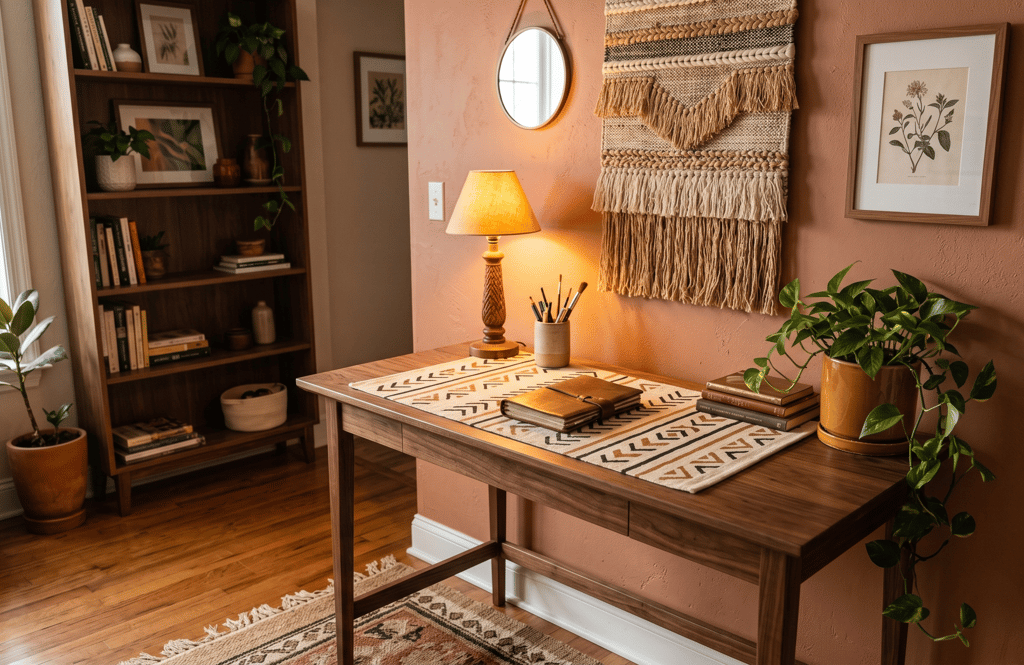
Lighting a small home office corner properly
Lighting a small home office corner isn't just about seeing your keyboard — it directly affects your energy, your video call quality, and the entire feel of the space. Most apartment corners suffer from the same problem: a single overhead fixture that throws harsh light from the wrong direction. The fix is layering.
Three layers that work in every home office corner:
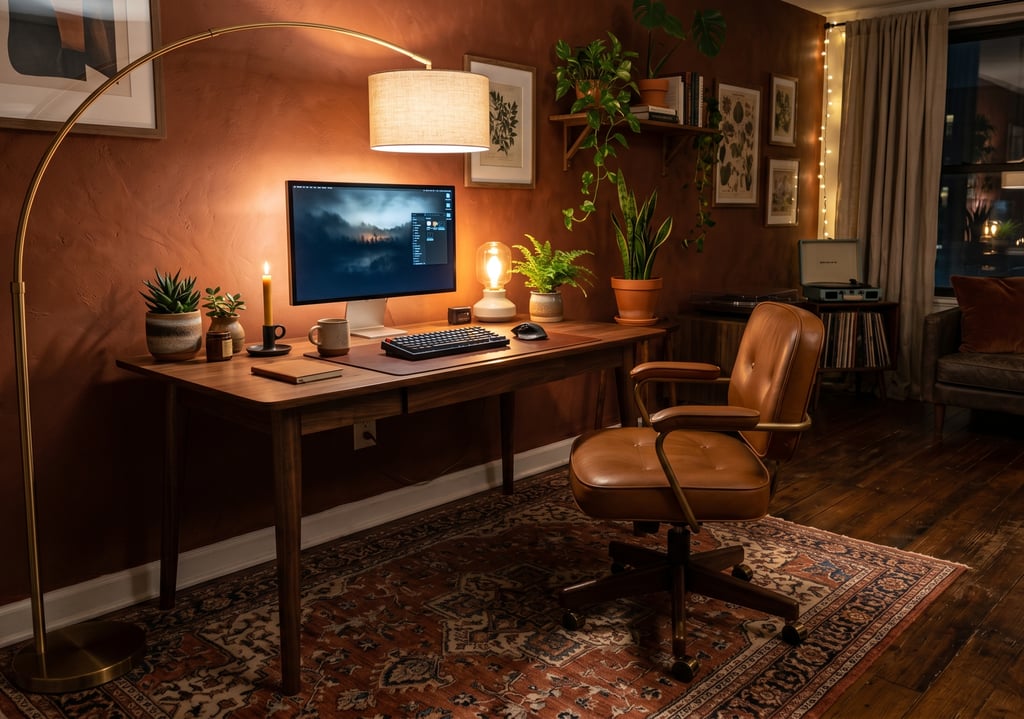
Ambient light — This is your base. If your corner doesn't have great natural light, a floor lamp positioned behind or beside your monitor handles this. The Brightech Sparq arc floor lamp arcs over the desk beautifully and takes up almost no floor footprint.
Task lighting — A good desk lamp is non-negotiable. Look for one with adjustable color temperature so you can shift from cool white (morning focus) to warm white (evening wind-down). The BenQ e-Reading LED desk lamp is the gold standard for screen workers — the wide-angle lighting head eliminates shadows across your whole desk surface.
Accent lighting — Bias lighting behind a monitor, LED strip lights along the underside of a floating shelf, or a simple plug-in sconce on the wall beside your desk all add depth and reduce eye strain when you're working in low light.
For video calls specifically: position a lamp or ring light behind your monitor, at face level. Your camera will love the soft, even light, and you'll stop looking like you're broadcasting from a cave.
How to separate your home office corner from the rest of the room
One of the biggest challenges of a small apartment home office isn't the square footage — it's the psychological boundary between "work mode" and "home mode." When your desk is three feet from your couch, it's hard to fully switch off.
A few approaches that genuinely help define the space:
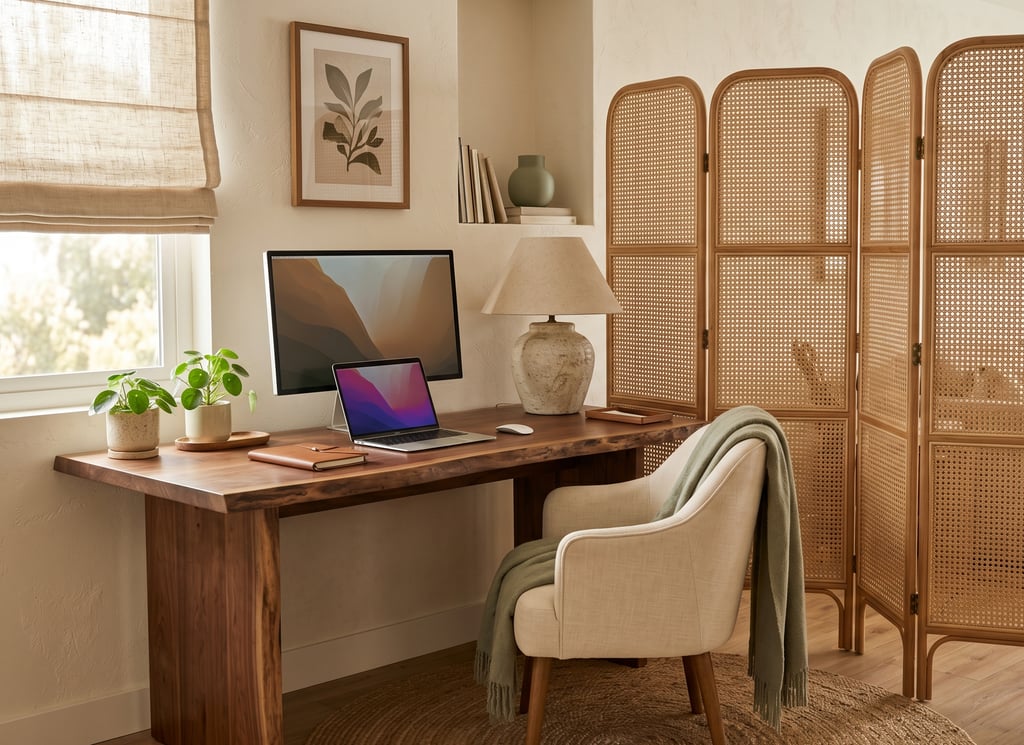
Room dividers and screens work better than you'd expect in small apartments. A folding shoji screen or rattan room divider doesn't need to fully enclose the space to create a sense of separation — even a partial visual break signals a zone shift. A 3-panel rattan room divider in a natural or black finish is both functional and design-forward.
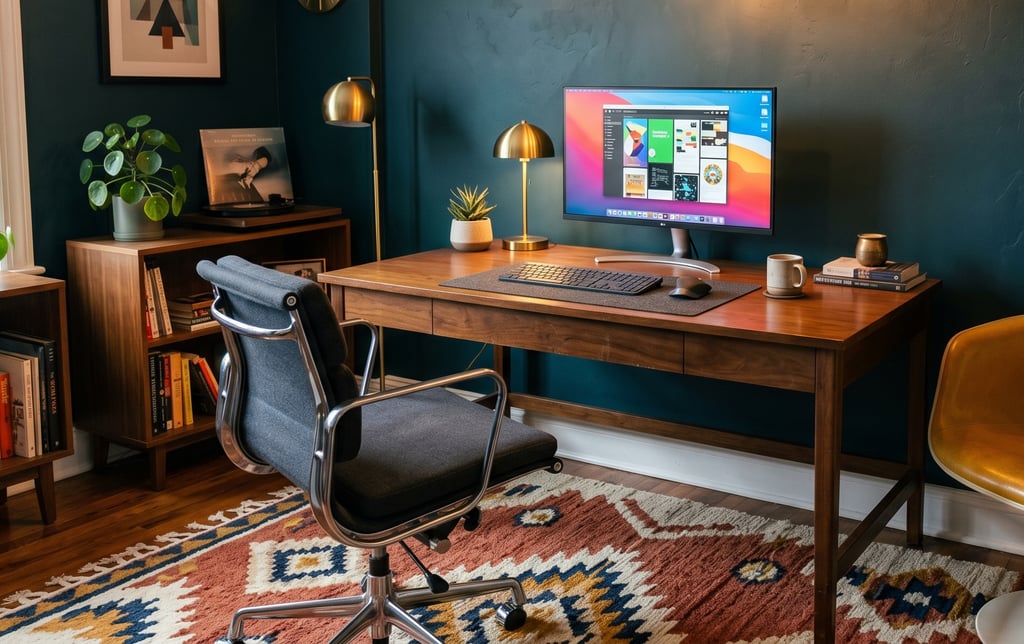
An area rug placed only under the desk is one of the most underrated zoning tools available. When the rug footprint matches your office zone, your brain registers the space as distinct even without walls. In a boho or MCM setup, a vintage-style wool rug in earthy tones anchors the corner beautifully.
Color is the most budget-friendly separator. Painting just the two walls of your corner a different shade — even one shade darker than the rest of the room — creates a visual "room within a room." No permission needed in owned spaces; renters can achieve the same effect with a large-format removable wallpaper panel.
Budget pick vs. splurge pick: desk chairs for small office corners
Your desk chair is the one piece of home office furniture that directly impacts your physical health — and it's also, ironically, where most people cut corners. Here's how to think about the spend.
Splurge pick ($150–$499): HON Ignition 2.0 Mesh Task Chair The HON Ignition is one of the few chairs under $150 that actually offers meaningful lumbar support. The mesh back promotes airflow (critical if you run warm while working), and the compact footprint works well in tight corners. It's not beautiful, but it does its job without punishing your back at hour six.
Budget pick ($80 - $150): The Branch Ergonomic Chair is a legitimate high-performance chair without the $1,000+ price tag of a Herman Miller. It has adjustable lumbar, adjustable armrests, and a recline that actually feels supported rather than just tilted backward. More importantly for small spaces, it has a relatively small seat pan and base diameter — it doesn't dominate the corner. Shop the LuxErgo Ergonomic Chair on Amazon.
If budget is genuinely tight, prioritize the chair over the desk. You can work on a basic table, but you can't un-ache your lower back.
Cable management for a clean, minimal home office corner
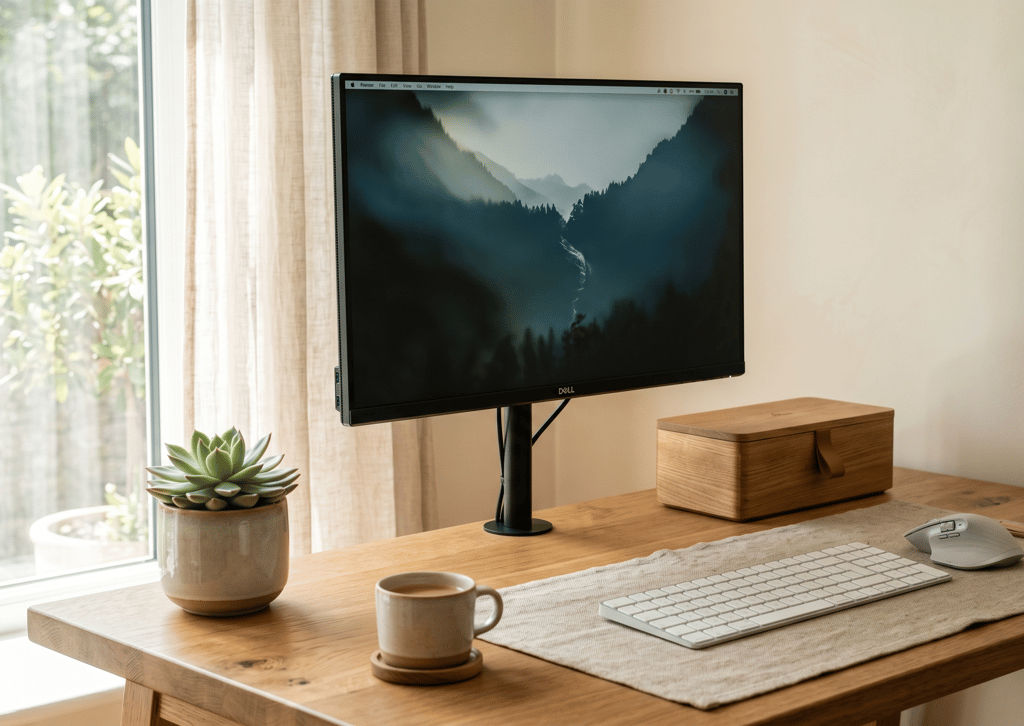
Nothing undermines a beautiful home office corner like a nest of cables pooling on the floor or draping across the desk. Cable management is the kind of detail that's invisible when done well and completely ruins the space when ignored.
Start with a cable management box — essentially a lidded tray that sits on your desk or the floor and hides your power strip and the excess cable slack from all your devices. The D-Line cable management box comes in white, black, and wood-finish options that blend with almost any setup.
Under-desk cable trays mount to the underside of your desk with adhesive or screws and keep cables completely off the floor. For a wall-mounted floating desk, a cable raceway channel running vertically down the wall from the desk to the nearest outlet keeps everything contained and looks intentional — almost architectural.
A wireless charging pad on the desk surface eliminates one of the most persistent cable offenders. Pair it with a single USB-C hub for your laptop and you can often get a multi-device desk down to two visible cables: power and monitor.
Personalizing your home office corner without cluttering it
A home office corner that's purely functional tends to feel depressing to spend eight hours in. But one that's over-decorated becomes distracting and hard to keep tidy. The goal is intentional personalization — a few considered pieces that make the space feel like yours.
What actually works in a small corner:
One piece of wall art above the desk, sized to the wall space (not too small — undersized art in a defined zone looks like a mistake)
One or two plants — trailing varieties like pothos or heartleaf philodendron add life without demanding floor space; a propagation station on a shelf is both functional and beautiful
A textured desk mat in leather, cork, or woven fabric instantly elevates the surface and protects it; the Ysagi leather desk mat has a subtle luxury feel at an accessible price
One personal object — a ceramic mug, a small framed photo, a single sculptural piece — that anchors the space as yours without becoming visual noise
Resist the urge to fill every shelf. Negative space on a shelf reads as calm and intentional. Three well-chosen objects with breathing room between them will always look better than ten objects crammed together.
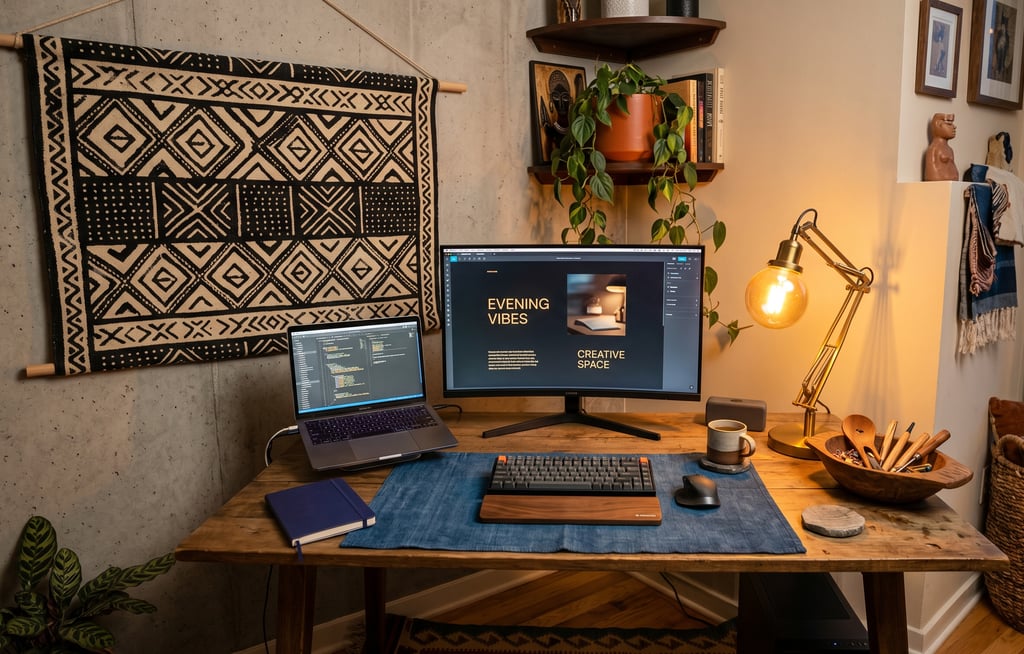
This post contains affiliate links. If you purchase through my links I may earn a small commission at no extra cost to you
Frequently Asked Questions
What is the minimum space needed for a home office corner?
You can create a functional home office corner in as little as 30–36 inches of wall space. A narrow writing desk (18–20 inches deep) and a slim chair is all you technically need. Adding vertical shelving above the desk means you can work with an even smaller footprint at floor level. What matters more than total square footage is how deliberately the space is organized.
How do I set up a home office in a small apartment without a separate room?
The key is zoning. Use a desk-specific area rug, a room divider or curtain, or even a distinct wall color to visually define the corner as a workspace. Beyond the physical setup, establishing work-hour routines that begin and end at the desk helps your brain treat it as a separate mental space — even when it's technically in the living room. A folding room divider screen is one of the most effective and reversible ways to create that boundary.
What kind of desk works best for a corner home office in a small apartment?
Narrow writing desks (18–24 inches deep) and L-shaped corner desks are the two best options. If your apartment is truly tight, a wall-mounted floating desk with a fold-down leaf is the most space-efficient option — it disappears completely when not in use. Whatever you choose, prioritize a depth of at least 18 inches so you have room for a monitor at a comfortable viewing distance.
How do I get good lighting for video calls in a small apartment corner?
Position a lamp or ring light directly behind your monitor, at approximately face height, and pointed at your face. Overhead lighting alone creates unflattering shadows and makes you look washed out on camera. A desk lamp with adjustable color temperature — set to a warm-neutral 4000K — gives the most natural-looking video call lighting without requiring a dedicated ring light setup.
Can I use a standing desk in a small apartment corner?
Yes, and it's often a great choice. Electric standing desks with memory-height presets let you toggle between sitting and standing without adjusting every time, and many compact models (like the Fezibo 48") have a small enough footprint to work in a corner. The main consideration is overhead clearance — if you have shelving above the desk, make sure it's mounted high enough that the desk can fully extend to standing height.
Follow Us
Contact
© 2025. All rights reserved.
2 Fat Cats Home Decor brings stylish, cozy inspiration from living rooms to bedrooms and beyond — helping you create a warm, inviting home you'll never want to leave.